Lessons in Leadership from the Washington Commanders
DEC 04 2023 :: PHIL GERITY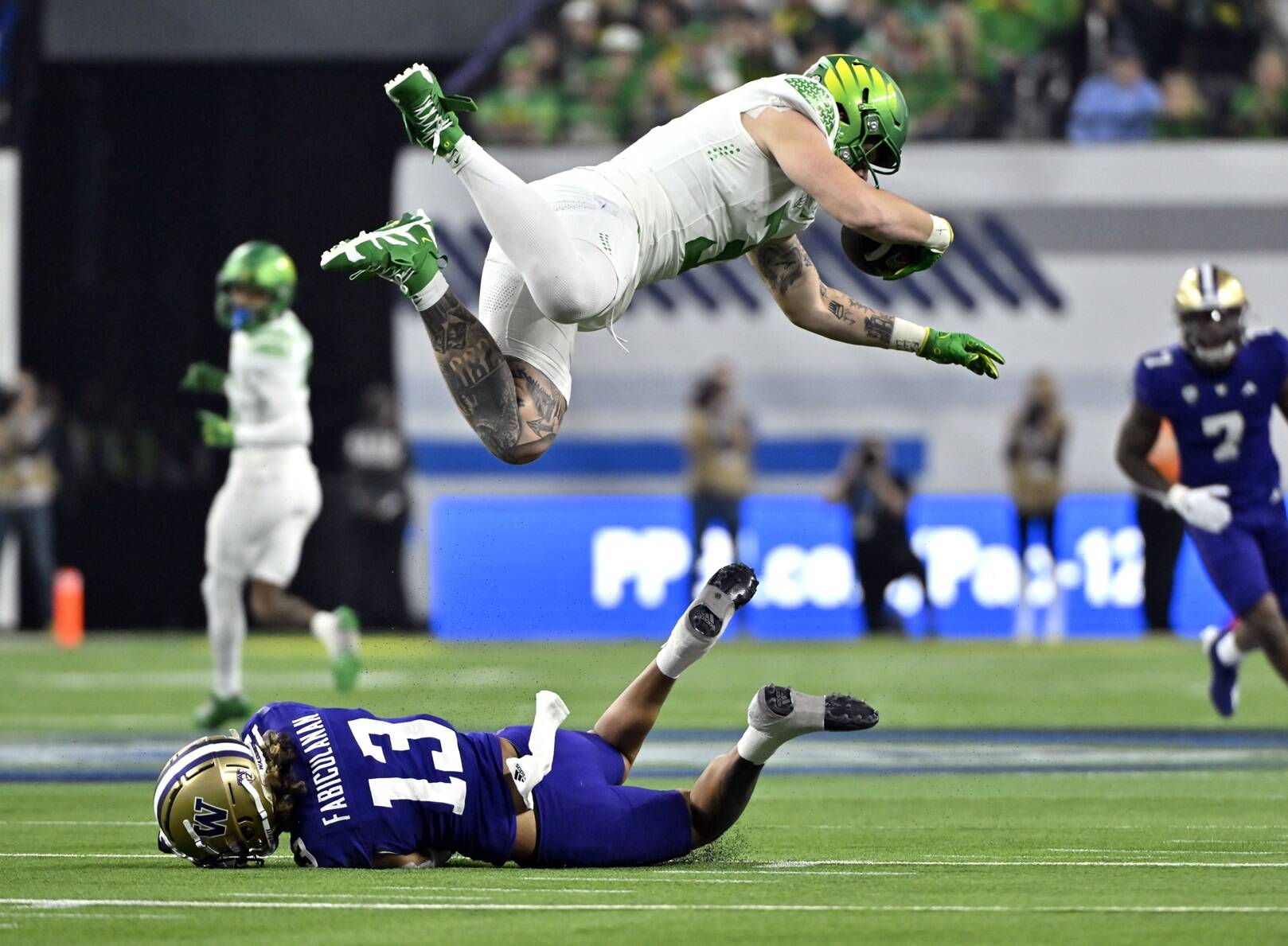
AP Photo/David Becker
*Editorial note: I hold a master's degree from the University of Washington, which is also my wife's alma mater. We root for the Huskies in our home. *
The Pac-12 college football championship game held last Friday, December 1, 2023, between the Washington Huskies and the Oregon Ducks was not just another college football game; it was a historic event, marking the last official matchup of the Pac-12 as we know it. This game, a culmination of intense rivalry and skilled play, held at the Allegiant Stadium in Las Vegas, was a fitting finale to a storied conference history. It brought together two of the nation's top teams, showcasing a thrilling blend of strategy, resilience, and raw talent that epitomizes the spirit of college football at its best.
This is certainly a familiar rivalry. The University of Oregon and the University of Washington have played each other 114 times in college football, with Washington leading the all-time series 61-48-5. They played twice in 2023, with their previous matchup providing some incredible highlights and decided by a field goal: UW 36 - Oregon 33. The Pac-12 Championship game was just as close, with UW pulling out another close win, with almost the same score and spread, 34-31.
What I found remarkable about Friday's matchup of two outstanding teams were the invaluable lessons it showed us in leadership and teamwork. In particular, the grit, strategic adaptability, value of preparation, and that team sports takes everyone rowing in the same direction to win. Here's what I noticed during the game:
Great preparation: small, consistent successes breed execution confidence
Despite an undefeated regular season record entering the game, the 12-0 Huskies were 9.5 point underdogs to the 11-1 Ducks entering the game. ESPN had the Ducks' win probability at 74.6% at tipoff. This was largely due to how each team had played in the previous few weeks. The Huskies had several close wins, whereas the Ducks had been blowing out their opponents since their only loss of the season to the Huskies. The Huskies had other ideas than the oddsmakers on Friday though, and got off to a fast start behind short passes by UW quarterback Michael Penix Jr. and a solid running game from Dillon Johnson. By the second quarter, UW had built a 20-3 lead and ESPN's win probability was now at 85.8% in UW's favor. The Huskies were dominating the important battles in the trenches, both offensively and defensively, thereby swinging the time of possession, momentum, and confidence in their favor. It was a brilliant game plan from UW’s head coach Kalen DeBoer and his staff, designed to find early execution success for his team on short, safe plays, so when they needed larger plays later they were operating from a base of confidence.
Grit: resilience in the face of adversity
The Ducks' remarkable comeback from a 20-3 deficit to take a 24-20 lead in the third quarter exemplifies resilience, a critical leadership quality. Oregon's quarterback, Bo Nix's leadership in scoring 21 unanswered points shows how grit in the face of adversity is the key to getting things back on track. This turnaround demonstrates how grit is a trait essential for any leader guiding a team through tough times. By the end of the third quarter, Oregon's win probability had risen back to 69.9%, almost returning to its initial level at the start of the game.
Strategic adaptability: a solid plan, loosely held
Washington's response to Oregon's comeback, where they regained control and eventually won, highlights the importance of strategic adaptability. Leadership involves not just setting a path but also being able to adjust strategies in response to changing circumstances, much like how Washington adapted their game plan to secure victory. None of UW's previous drives had lasted more than three-and-a-half minutes or 8-plays. Beginning in the fourth quarter, the Huskies put together back-to-back touchdown drives of 10-plays in four-and-a-half minutes, and 12-plays in six-and-a-half minutes, essentially killing the clock and putting the game out of reach for the Ducks. What began as quick scoring drives transformed into long, methodical, clock-killing sequences, strategically designed to keep the ball away from Oregon's dangerous offense.
A team sport: it takes everyone to win
Friday's game illustrated that success is not solely dependent on star players but on the collective effort of the entire team. While quarterbacks, wide receivers, and running backs often receive the spotlight on offense, the contributions of other players, including the linemen, were vital to opening running lanes and providing Penix and his receivers enough time to get first downs. In football, all 11 players must be contributing for the team to win. This principle of collective effort and teamwork is equally applicable in workplace settings.
The final Huskies vs. Ducks game as members of the Pac-12 served as a reminder of the importance of preparation, grit, adaptability, and teamwork. This game was not only exhilarating to watch but also served as a masterclass in leadership, demonstrating how to guide teams towards outstanding achievements.
Originally published on Product Byte (Substack)