Psychological Safety vs Comfort
MAY 07 2025 :: PHIL GERITY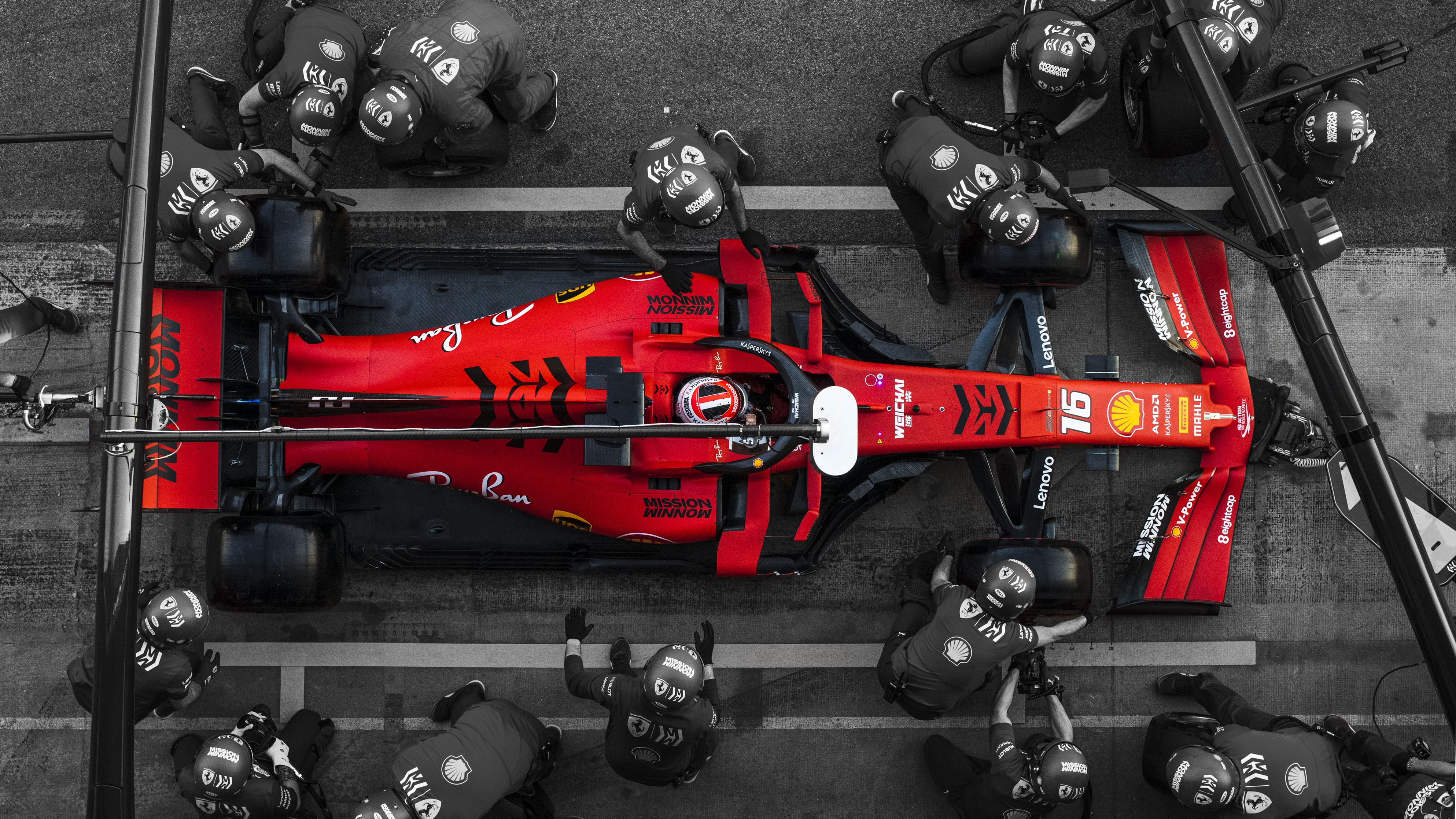
Why Psychological Safety Sets the Speed Limit
Great roadmaps die in quiet rooms. When people bite their tongues—afraid to surface half‑baked ideas, looming risks, or flat‑out mistakes—velocity stalls no matter how slick the backlog looks. Studies by Amy Edmondson [1], Google’s Project Aristotle [2], and a 117‑study meta‑analysis [3] all point to the same antidote: psychological safety.
Need proof? High‑safety teams experiment 12% more and finish tasks 27% faster than low‑safety peers [4]. Google’s own research shows it’s the single biggest factor in their fastest‑shipping teams [2]. Harvard Business Review links strong safety climates directly to bolder risk‑taking and faster time‑to‑market [5].
This post introduces RISE—a five‑question pulse backed by a one‑line equation you can calculate in under two minutes. With it, you’ll spot hidden fear, see exactly where it drags your product momentum, and know which lever to pull first.
When Safety Breaks: A Cautionary Example
A product manager is prepping for a high‑stakes executive review. They’ve spent weeks refining the story, polishing slides, and rehearsing delivery. But there’s a nagging problem: early customer feedback is mixed, and the addressable market isn’t as clear as hoped. The PM knows this could derail the narrative—yet, worried about looking weak, they stay quiet.
During the review, execs ask hard questions about market size and customer churn. The PM freezes. Their leadership chain scrambles to help but lacks context. Trust frays—not from disagreement but from silence.
Why didn’t the team discuss the customer churn data beforehand? Why couldn’t the PM bring themselves to say, “I could use some help here” on the market size?
Introducing the RISE Equation
Think of RISE as a speed‑check for team candor.
- Respect (R) – Basic courtesy and assuming good intent.
- Inclusion (I) – Every voice is welcome and heard.
- Support (S) – Teammates—and especially leaders—have each other’s backs.
- Expression (E) – People can question, criticize, and admit “I don’t know.”
- Self‑Protection (SP) – The instinct to stay silent to avoid looking bad. (It lives in the denominator because more fear drags the whole score down.)
Ask your team to rate each item from 1 (rarely) to 5 (always). Then plug the numbers into the formula.
Quick Walk‑Through: One Team’s Score
Imagine your survey comes back like this:
- Respect 4.2
- Inclusion 3.8
- Support 4.0
- Expression 3.6
- Self‑Protection 2.0
Step 1 – Add the “good” factors: 4.2 + 3.8 + 4.0 + 3.6 = 15.6
Step 2 – Divide by Self‑Protection: 15.6 ÷ 2.0 = 7.8
Step 3 – Put it on a 0‑100 scale: 7.8 × 20 = 156. Cap scores at 100.
That looks stellar—but it relies on an unusually low Self‑Protection score. If Self‑Protection were a more realistic 3.0, the same inputs would produce an index of 52, signaling hidden hesitation.
What Your Score Means
80–100 – “We’ve got this.” Conversations are lively, mistakes are shared, and bold bets feel possible. Keep nurturing these habits and lend a hand to neighboring teams.
60–79 – “Almost there, but some people hold back.” Most voices are heard, yet a few go missing. Spotlight inclusive wins and rotate presenters so everyone gets airtime.
40–59 – “Guarded.” People double‑check before they speak. Run a retrospective focused on learning from failure, and have leaders model fallibility first.
Below 40 – “Walking on eggshells.” Silence feels safer than speaking. Co‑create a team charter, name the fears aloud, and agree on ground rules that reward questions early.
Wrapping Up
Psychological safety isn’t another feel‑good metric—it’s the hidden throttle on product velocity. Run the five‑question RISE pulse, crunch your score, and tackle the weakest lever first. When self‑protection drops, hard truths surface sooner, bold ideas get airtime, and the roadmap finally moves at the pace your strategy demands.
References
- Edmondson, A. (1999). Psychological Safety and Learning Behavior in Work Teams. Academy of Management Journal.
- Google Re:Work. Project Aristotle: What Makes a Team Effective? (2016).
- Frazier, M. et al. (2017). Meta‑analytic Review of the Relationship Between Psychological Safety and Performance. Personnel Psychology.
- Rider, C., & Edmondson, A. (2023). Proven Tactics for Improving Teams’ Psychological Safety. MIT Sloan Management Review.
- Delizonna, L. (2017). High‑Performing Teams Need Psychological Safety—Here’s How to Create It. Harvard Business Review.
Originally published on Product Byte (Substack)